Eating Disorder and Self
Esteem from
Peak
Performance Online
A strange paradox of sporting activity is
that participation often leads to higher self-esteem, but - at least in certain
sports - it can also lead to an increased risk of developing eating disorders
such as anorexia nervosa and bulimia, both of which are usually associated with
low self-esteem.
Certain sports seem to carry an increased risk of
eating problems. For example, in the United States, about 93 per cent of
collegiate athletes who develop eating disorders are female, and these athletes
are usually found in a fairly small number of sports, including gymnastics,
cross country, swimming, and track and field. The few cases reported in men are
clustered in the sports of cross country, track and field, gymnastics, and
wrestling.
What actually causes the eating disorders? A combination of
individual and familial factors are often involved in producing an eating
problem, and cultural factors apparently put females at especially high risk:
Over the past three decades, the socially acceptable weight for women in
Western societies has progressively decreased, while the incidence of eating
disorders has steadily risen.
Why are eating disorders linked with
certain sports? Individuals dissatisfied with their bodies may be drawn to
calorie-burning' sports like running and swimming. In addition, scientific
research suggesting that 'lean is better' for performance may contribute to the
problem, and aesthetic sports such as gymnastics probably place far too high a
premium on being super-thin.
Recovering from an eating disorder is a
complex process involving counseling and the raising of self-esteem and
self-acceptance. Athletes can do a number of things to reduce their risk of
developing an eating disorder, and coaches should realize that they can take
steps to help prevent eating disorders in their athletes. Alice Lindeman, an
eating-disorder researcher at the University of Indiana, recommends that
athletes be aware of the following facts:
(1) There is a range of
weight which is appropriate for any particular sport. No one weight is ideal
and the lowest-possible weight is usually NOT optimal.
(2) Eating too
little can actually depress metabolism and make one fatter - not
slimmer.
(3) Eating more food can be a great way to improve body
composition, because the increased caloric intake replenishes muscles and
allows higher-quality training, which burns away fat naturally.
(4)
Fear of fat in the body shouldn't translate into fear of fat on the plate. Fat
is an essential nutrient required for the absorption of vitamins D, E, A, and
K, so some fat must be included in the diet.
(5) Taking in more
calories can improve menstrual function, which heightens bone health and
reduces the risk of osteoporosis.
Coaches should de-emphasize weight
and refrain from commenting on body weight as they speak with their athletes.
Coaches should also avoid group 'weigh-ins,' which can heighten humiliation and
embarrassment for the athlete who feels too fat and may push an athlete onto
the road leading to a full-blown eating problem.
('Self-Esteem: Its
Application to Eating Disorders and Athletes,' International Journal of Sport
Nutrition, vol. 4, pp. 237-252, 1994) |
 Fuel Your Body
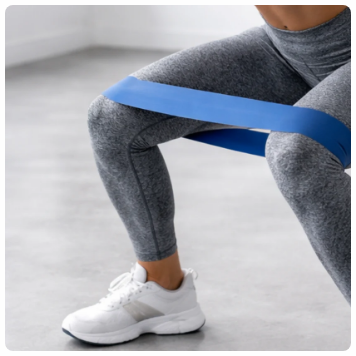 Get Fitter
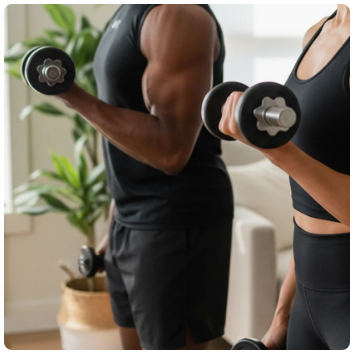 Get Stronger
 Then Go For It