You Can Eat Great and Still
Lose Weight By Ben Kallen
When your grandma wanted to lose weight, she
probably ate foods that no one in their right mind could enjoy. (Fluffy
mackerel pudding, anyone? How about a chilled celery log?)

All these years later, a lot of people
still think that the only way to shed excess fat is to eat a bland
diet or choke down foods they dislike. Luckily, that just isn't true. Not only
can you eat well while you're shedding excess fat, it's highly recommended that
you do so. The more you enjoy your meals, the less likely you are to cheat on
your food plan or give it up entirely.
So how do you lose weight without feeling
deprived? Stick to these tips:
- Have
a regular workout program. There are
people who manage to lose weight without much exercise. But it requires them to
follow a very strict, restrictive diet, and the weight loss is likely to stop
or reverse itself with the tiniest caloric backsliding. And even if they're
successful, they're likely to end up "thin but flabby" rather than lean and
fit. On the other hand, when you have an
effective workout plan, you burn more calories, build lean muscle, and prevent
your metabolism from slowing down as the weight comes off. What's more, working
out changes the way you think about food—you'll be more aware of what
your body really needs, and start eating to fuel your muscles and keep up your
energy instead of stuffing your face for the heck of it. You'll stick to your
food plan because you want to, not because you have to. And that means you're
more likely to keep it up over the long haul.
 Go for quality. Junk
foods aren't called "junk" just because they tend to be unhealthy. They're
often made of cheap ingredients that aren't even that tasty, with a lot of
added sugar, salt, fat, and chemical flavorings to make up for it. As former
FDA commissioner David Kessler points out (refer to "The End of Overeating" in
the Related Articles section below), they're intended to make you crave more
food, not to satisfy your hunger. Less
processed foods, on the other hand, tend to taste better naturally and be
better for you. Of course, it would be nearly impossible to give up processed
foods entirely, and you don't have to. Just devote a larger portion of your
meals to "clean" items: fresh vegetables and fruits; lean meats, fish, low-fat
dairy, or vegetarian protein; and nuts, beans, and whole grains. And eat fewer
foods that have more than five ingredients on the label, especially if you
can't pronounce some of them. (If you really need Doritos® now and then,
buy a single-serving bag, not the large economy size.) Go for quality. Junk
foods aren't called "junk" just because they tend to be unhealthy. They're
often made of cheap ingredients that aren't even that tasty, with a lot of
added sugar, salt, fat, and chemical flavorings to make up for it. As former
FDA commissioner David Kessler points out (refer to "The End of Overeating" in
the Related Articles section below), they're intended to make you crave more
food, not to satisfy your hunger. Less
processed foods, on the other hand, tend to taste better naturally and be
better for you. Of course, it would be nearly impossible to give up processed
foods entirely, and you don't have to. Just devote a larger portion of your
meals to "clean" items: fresh vegetables and fruits; lean meats, fish, low-fat
dairy, or vegetarian protein; and nuts, beans, and whole grains. And eat fewer
foods that have more than five ingredients on the label, especially if you
can't pronounce some of them. (If you really need Doritos® now and then,
buy a single-serving bag, not the large economy size.)- Don't go
hungry. A good food plan should keep you
satisfied, even if you're eating less than you're used to. To avoid hunger
pangs, make sure you always have access to healthy snacks when your plan calls
for them, and never skip meals in an attempt to save on calories. Eat more
foods that are naturally filling, like soups, salads, and steamed or roasted
veggies, along with moderate amounts of healthful fats. And avoid high-glycemic
foods made of sugar or starch, which can lead to blood sugar fluctuations that
leave you hungry and low on energy.
- Savor your
food. No matter how good your meals are, you're
not likely to enjoy them if you're distracted by other things or you gobble
your food like there's no tomorrow. That's why, according to a study in the
Journal of the American Dietetic Association, people who eat
"mindfully" are less likely to be overweight. That includes eating slowly so
you actually taste each bite, being aware of whether you feel hungry or full,
and sitting down for meals without watching TV, working, or driving at the same
time. (An added bonus: According to a study in The Journal of Nutrition
Education and Behavior, when families regularly have meals together, the
kids naturally develop healthier eating and lifestyle habits.)
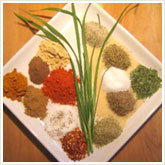 Spice things up. There's no
excuse for eating dull, monotonous meals day after day—not when there are
dozens of herbs, spices, and condiments that can perk up weight
loss–friendly food in hundreds of different ways. Does a chicken breast
with a side of vegetables sound boring? Then try sizzling chicken fajitas, or a
paprika-scented chicken stew with root vegetables, or chicken and vegetable
slices (oven roasted or grilled) brushed with garlic and olive oil.
The point is, if you keep lots of herbs and
spices around, you can prepare great-tasting, healthful meals without much more
time or effort than it would take to make dull ones. (You can also save more
time by mixing your own sauces, marinades, and dressings—they'll have
less added sugar and salt than store-bought ones, and they'll taste better,
too.) When your foods are more flavorful, and your meals are full of variety,
you won't just be eating as well as before—you'll be eating
better. Spice things up. There's no
excuse for eating dull, monotonous meals day after day—not when there are
dozens of herbs, spices, and condiments that can perk up weight
loss–friendly food in hundreds of different ways. Does a chicken breast
with a side of vegetables sound boring? Then try sizzling chicken fajitas, or a
paprika-scented chicken stew with root vegetables, or chicken and vegetable
slices (oven roasted or grilled) brushed with garlic and olive oil.
The point is, if you keep lots of herbs and
spices around, you can prepare great-tasting, healthful meals without much more
time or effort than it would take to make dull ones. (You can also save more
time by mixing your own sauces, marinades, and dressings—they'll have
less added sugar and salt than store-bought ones, and they'll taste better,
too.) When your foods are more flavorful, and your meals are full of variety,
you won't just be eating as well as before—you'll be eating
better. |
|