Try Shaun T's Brand New MAX BUILT Program with a 7-Day Free Trial

Clearing Up the Confusion Over Carbohydrates

By Nancy Clark, MS, RD - author of Nancy Clark's Sports Nutrition Guidebook

Ever since Dr. Atkins came out with his carbohydrate-bashing high-protein diet, active people (who had been happily enjoying bagels, pasta and pretzels as the foundation of their meals) have suddenly started shunning these excellent sources of muscle fuel.

Instead, they are eating more egg whites, cottage cheese, soy shakes and protein-based foods. But questions abound about the role of carbohydrates in the sports diet — as well as concerns about insulin and the glycemic effect of foods.

The purpose of this article is to address the current state of carbohydrate confusion and provide some clarity for active people who want to eat wisely for good health, high energy, weight control and top performance.

Q: Are carbs fattening? ... Should I eat less of them?

A. Carbohydrates are not inherently fattening. Excess calories are fattening. Excess calories of carbohydrates (bread, bagels, pasta) are actually less fattening than are excess calories of fat (butter, mayonnaise, frying oils) because the body has to spend calories to convert excess carbohydrates into body fat.

In comparison, the body easily converts excess calories of dietary fat into body fat. This means, if you are destined to be gluttonous but want to suffer the least weight gain, you might want to indulge in (high-carb) frozen yogurt instead of (high-fat) gourmet ice cream.

Q. Is there a difference between the carbs from starchy foods (like breads) vs the carbs in fruits and vegetables or in candy?

A. As far as your muscles are concerned, there is no difference. You can carbo-load on jelly beans, bananas or brown rice; they are biochemically similar. Sugars and starches both offer the same amount of energy (16 calories per teaspoon) and both get stored as glycogen in muscles or used for fuel by the muscles and brain (via the blood sugar)

The sugar in jelly beans is a simple compound, one or two molecules linked together. The starch in brown rice is a complex compound, hundreds to thousands of sugar molecules linked together. Sugars can convert into starches and starches can convert into sugars.

For example:

  • When a banana is green (not ripe), it is starchy. As it gets older, it becomes sweeter; in fruits, the starch converts into sugar.

  • When peas are young, they are sweet. As they get older, they get starchier; in vegetables, the sugar converts into starch.

    Grain foods (wheat, rice, corn, oats) also store their energy as complex strands of sugar molecules, a starch. The starch breaks down into individual sugar molecules (glucose) during digestion. Hence, your muscles don’t care if you eat sugars or starches for fuel because they both digest into the same simple sugar: glucose.

    The difference between sugars and starches comes in their nutritional value and impact on your health. Some sugars and starches are healthier than others. For example, the sugar in orange juice is accompanied by vitamin C, folate and potassium. The sugar in orange soda pop is void of vitamins and minerals; that's why it's described as "empty calories."

    The starch in whole wheat bread is accompanied by fiber and B-vitamins. The starch in white breads has lost many health protective nutrients during the refining process. White bread provides muscle fuel, but fewer vitamins.

    Q. If carbs aren’t fattening, why do high-protein diets "work"?

    A. High-protein diets seemingly "work" because ...

    1. The dieter loses water weight. Carbs hold water in the muscles. For each ounce of carbohydrate you stored as glycogen, your body simultaneously stores 3 ounces of water. When you deplete carbs during exercise, your body releases the water, and you experience a significant loss of weight that's mostly water, not fat.

    2. People eliminate a lot of calories when they eliminate carbohydrates. For example, you might eliminate not only the baked potato (200 calories) but also two pats of butter (100 calories) on top of the potato and this creates a calorie deficit.

    3. Protein tends to be more satiating than carbohydrate. That is, protein (and fat) lingers longer in the stomach than carbohydrate does. Hence, having high-protein (and fat) eggs and bacon for breakfast stays with you longer than does a high-carb bagel with jam. By curbing hunger, you have fewer urges to eat and can more easily cut calories until you start to crave carbs and binge eat.

    The overwhelming reason why high-protein diets do NOT work is that dieters fail to stay on them for a long time. They may lose weight, but only to regain it.

    The trick to losing weight is to learn how to manage the American food supply so you won't regain the weight. Remember: You should never start a food program you do not want to maintain for the rest of your life. Do you really want to never eat breads, potato or crackers ever again????

    Q. I’ve heard white bread is "poison." Do you agree?

    A. White bread offers lackluster nutrition, but it is not "poison" nor a "bad" food. White bread can be balanced into an overall wholesome diet. That is, if you have bran cereal for breakfast and brown rice for dinner, your diet can healthfully accommodate a sandwich made on white pita for lunch.

    White bread's reputation for being "poison" is partially because of its high glycemic effect. That is, 200 calories of white bread quickly digests and causes the blood glucose (blood sugar) to elevate higher than would the same amount of a whole grain, fiber-rich bread.

    High blood glucose triggers the body to secrete insulin to carry the sugar out of the blood. Insulin can stimulate the appetite, as well as fat deposition.

    If you are physically fit, however, your muscles readily store the sugar as glycogen with the need of much less insulin. Hence, active people can handle high-carb foods and have less need to worry about a food's glycemic effect.

    Q. Should I choose foods based on their glycemic effect?

    A. As a general trend, yes. Foods with a low glycemic effect tend to be wholesome, fiber-rich fruits, vegetables and whole grains that are health-protective and satiating. They can curb the appetite and help with weight management.

    Yet, the glycemic response to a food varies from person to person, as well as from meal to meal (depending on the combinations of foods eaten). Experiment to learn what food combinations satisfy you and offer lasting energy.

    Copyright 2002 Nancy Clark, MS, RD

Nancy Clark, MS, RD, nutritionist at SportsMedicine Associates (617-739-2003) in Brookline MA.
Nancy Clark's Sports Nutrition Guidebook

Nancy Clark's Sports Nutrition Guidebook

BODi Coach Exclusive

Save an Extra 15% on Streaming Fitness Plans, Nutrition Plans & Supplements

Use Code: HOWTOBEFIT

Max Built with Shaun T

Get Max Built
Max Built is Available Now with Your BODi Subscription

BODi Featured Products

Shakeology Has Supported My Training for 17 Years
Shakeology Has Supported My Workouts and Lifestyle for Over 17 Years

10 Minute BODi

10 Minute BODi - Microdose Fitness for Every Body Part
Try 10 Minute BODi Free for 10 Days, Then Just $10/Month — Short, Effective Workouts That Fit Your Day

BODi Monthly Plan

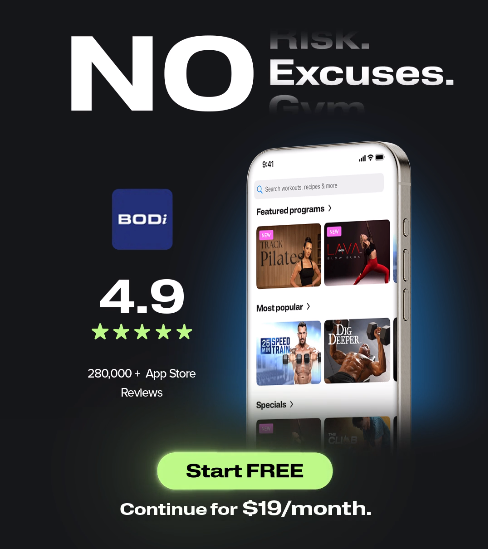
BODi Monthly - No Excuses, 4.9 Stars, 280,000+ Reviews
Try BODi Monthly Free for 7 Days, Then $19/Month for Full Streaming Workouts & Meal Plans

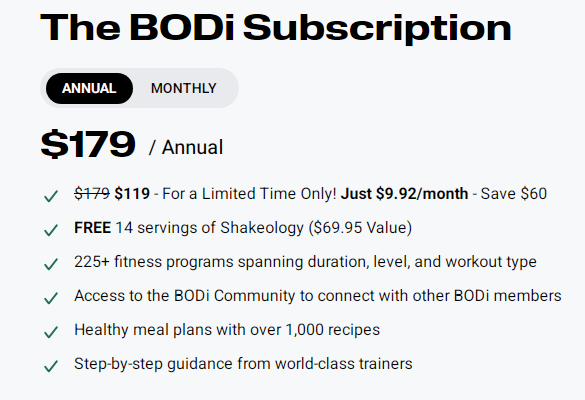
BODi Annual Plan

BODi Annual Plan - 4.9 Stars, 280,000+ App Store Reviews
With Code HOWTOBEFIT, pay just $101.15/year —that's $8.43/month

Meet Coach Rich Dafter

Creator of Howtobefit.com
Read His Story

BODi Coach Rich Dafter
Start Here
Featured This Week
Nutrition for Fuel
Workouts for Fitness
Workouts for Strength
Running for Endurance
Polar for Heart Rate
About Coach Rich Dafter
Coach Rich Dafter's Blog
Get the BODi Annual Plan for $101.15 with Code HOWTOBEFIT
© 2026 Howtobefit.com  -  About   -  Contact   -   Explore   -   Blog  -  Shop   -  Home

Howtobefit.com is a participant in the Amazon Services LLC Associates Program, an affiliate advertising program designed to provide a means for sites to earn advertising fees by advertising and linking to Amazon.com. As an Amazon Associate, we earn from qualifying purchases. We also participate in affiliate programs with BODi and Road Runner Sports, and may earn a commission from purchases made through links on this site, at no additional cost to you, and have a referral relationship with Blueprint by Bryan Johnson.