What is the Best Cardiovascular Exercise?
Running? Biking? Swimming? People often ask, "What is the best cardiovascular exercise?"
The answer is simple: There really is no "best" exercise. All types have benefits, and no one exercise will produce greater results than the others.
To find the best cardiovascular exercise for you, look at what you enjoy and what will increase your heart rate.
Different types of cardiovascular activities
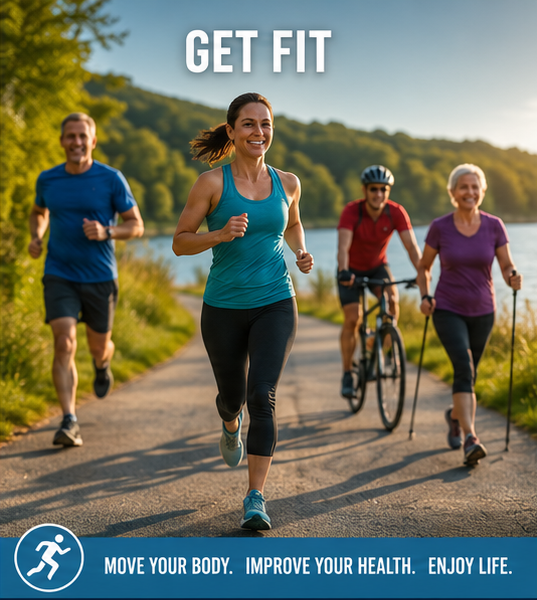
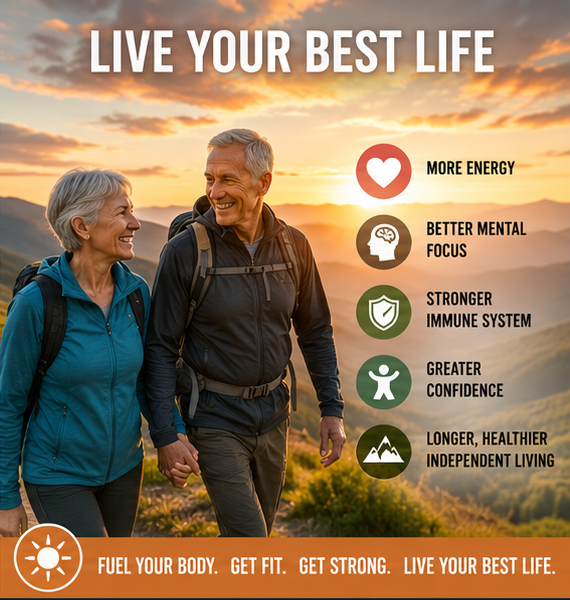
Cardiovascular, or aerobic, exercise is any continuous activity that gets your heart working and can be sustained from 15 to 60 minutes or beyond. Common cardiovascular activities include jogging, cycling and hiking.
At health clubs, you'll find machines for stair climbing, rowing and elliptical cross-training (your feet move in an elliptical shape), as well as aerobics classes.
The two main types of cardiovascular exercise are weight-bearing and non-weight-bearing.
Weight-bearing: With weight-bearing exercises, your feet and legs support your body weight. Examples include running, stair climbing and rope jumping. These are great for strengthening your bones.
Non-weight-bearing: Here, the body is supported during exercise (i.e., you are not carrying your body weight), as in bicycling, rowing and swimming. These exercises tend to be easier on your back, knees and other joints and can have a lower risk of injury than weight-bearing exercises.
Getting in your zone
For the best results, you need to get in your zone — heart rate zone, that is.
"Exercising at the correct level of intensity is important for proper effectiveness," said Dale Huff, R.D., C.S.C.S. and co-owner of NutriFormance Fitness, Therapy and Performance in St. Louis. "Exercising too lightly may not produce adequate results, while exercising too hard risks injury and exhaustion. For optimal benefits, get in your target heart rate zone and stay there while exercising regularly."
You can roughly calculate your target heart rate zone by taking 60 to 85 percent of your maximum heart rate. One formula (there are many) for determining your maximum heart rate is 220 minus your age, according to the American College of Sports Medicine. Another more accurate — but also more expensive — way to figure out your maximum heart rate is to be tested in various cardio exercises at a physiology lab.
To help you stay in the right heart range, many fitness equipment manufacturers offer cardiovascular machines that include heart rate sensors. For example, Life Fitness treadmills, total-body elliptical Cross-Trainers, Lifecycle exercise bikes and stairclimbers have Lifepulse digital hand sensors and heart rate Zone Training workout programs that automatically adjust the resistance level based on your heart rate. Or better yet, purchase a heart rate monitor that you can wear during all of your workouts to always know the effectiveness of your workout.
The bottom line
Figure out what cardiovascular activities you enjoy and will do consistently. For best results, mix up your workouts.
"Over time, your body gets more efficient, so you burn fewer calories doing the same exercise. In addition, without variety, boredom can quickly set in," according to Nicole Irlbeck, M.S., a certified athletic trainer in Chicago.
Walk outside one day. For your next workout, try an aerobics tape. Then swim laps or use the stairclimber at the gym. If you prefer a certain exercise or machine, shake things up by incorporating interval training into your routine. Adjust the speed, resistance or incline and push hard for a few minutes. Recover, and then step it up again.
"Interval training is an excellent way to vary your training, increase your results, get better conditioned and fend off boredom," Irlbeck said. "Using cardiovascular machines at the gym is an easy and efficient way to start interval training because most are able to monitor your time, intensity and even your heart rate."
Your options are endless. Jump on a treadmill, go for a run outside, hop on a Lifecycle or dive into a pool — just choose an activity that gets your heart pumping. The "best" cardiovascular exercise is what you enjoy and will do again and again.