10 Tips to Help Your Skin
Survive Winter By Steve Edwards
From
BODi Fitness &
Health
 Winter
is hard on your skin. Even the healthiest of us have a rough time coping as the
days shorten and the thermometer begins to drop, which is why words like dry,
chapped, itchy, and flaky are often associated with snow, wind, and cold. Here
is a 10-step program to help your skin survive the winter. Winter
is hard on your skin. Even the healthiest of us have a rough time coping as the
days shorten and the thermometer begins to drop, which is why words like dry,
chapped, itchy, and flaky are often associated with snow, wind, and cold. Here
is a 10-step program to help your skin survive the winter.
 Hydrate.
This is, by far, the most important thing you can do
during the winter. When it's cold, it's hard to drink enough water. For one,
you don't get thirsty. But even when you are, drinking cold water can cause
your body to revolt, creating a catch-22 that can leave your skin dry and
itchy. Our bodies are mainly made up of water. Here are some of the roles that
water performs: Hydrate.
This is, by far, the most important thing you can do
during the winter. When it's cold, it's hard to drink enough water. For one,
you don't get thirsty. But even when you are, drinking cold water can cause
your body to revolt, creating a catch-22 that can leave your skin dry and
itchy. Our bodies are mainly made up of water. Here are some of the roles that
water performs:
- Regulating body temperature
- Carrying nutrients
and oxygen to all cells in the body
- Moistening oxygen for breathing
-
Protecting and cushioning vital organs
- Helping convert food into
energy
- Assisting the body to absorb nutrients
- Removing
waste
That's a tall order of functions; and the organ that's most
affected when deprived of water is the largest one, your skin. It's hard to
convince yourself that when it's cold you often need as much, if not more,
water than you do when it's warm. This is because cold air is drier than warm
air. Exacerbating the issue is the fact that artificially heated air is drier
than naturally heated air, creating a need to hydrate even more.
Do
keep in mind that water need not be cold, or even just water. You can hydrate
with almost any liquid, but most have added ingredients (sugar, caffeine,
alcohol, etc.) that will hurt you in other ways. This makes keeping an
assortment of herb teas an excellent winter accessory
choice.
 Exercise. Most of us work out to keep
healthy and/or look good in a bathing suit. If that's all you thought exercise
did, welcome to the bonus round. Working out also does wonders for the skin by
toning, reducing stress, and increasing circulation. Increased circulation
means that your blood can deliver oxygen and nutrients to your
hide. Exercise. Most of us work out to keep
healthy and/or look good in a bathing suit. If that's all you thought exercise
did, welcome to the bonus round. Working out also does wonders for the skin by
toning, reducing stress, and increasing circulation. Increased circulation
means that your blood can deliver oxygen and nutrients to your
hide.
Exercise also makes you sweat, which flushes toxins out of your
system. Additionally, it releases sebum, a mixture of fatty acids, waxes,
triglycerides, and cholesterol that acts as the skin's built-in moisturizer.
Researchers at Eberhard Karls University in Germany believe that sweat also
releases dermacidin, an antibiotic that limits disease-causing bacteria, thus
reducing your chances of skin infection. So pop in that
P90X®,
Turbo
Jam®, or Hip Hop
Abs™ video for healthy skin!
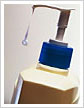 Moisturize. Try doing it as soon as you get
out of the shower and do your best to make this a ritual. Post-shower, when
your natural oils have been washed off, is a vital time for moisturizing. Even
if you're pressed for time, taking a minute to add moisturizer to your entire
body is worth it, since your skin absorbs it best when it's warm and damp. You
don't have to limit this to once a day—your skin would be pressed to get
too much lotion—but after a shower is by far the most effective
time. Moisturize. Try doing it as soon as you get
out of the shower and do your best to make this a ritual. Post-shower, when
your natural oils have been washed off, is a vital time for moisturizing. Even
if you're pressed for time, taking a minute to add moisturizer to your entire
body is worth it, since your skin absorbs it best when it's warm and damp. You
don't have to limit this to once a day—your skin would be pressed to get
too much lotion—but after a shower is by far the most effective
time.
Try finding products free of fragrance and parabens. Also, don't
buy products that contain mineral oil or petroleum. Both of these will clog
your pores and can trap sweat and dirt, thus causing acne. For your face, you
should also try to use a moisturizer that contains sunscreen with an SPF of at
least 15 (more on this in #7).
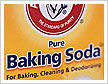 Take
hydrating baths. While soap dries your skin, there are
ingredients that, added to a bath, will help you hydrate. Baking soda works if
your skin is very dry and itchy, but as a precautionary measure, choosing a
hydrating bath substance makes more sense. A perusal of any skin care aisle
will provide you with myriad options. Take
hydrating baths. While soap dries your skin, there are
ingredients that, added to a bath, will help you hydrate. Baking soda works if
your skin is very dry and itchy, but as a precautionary measure, choosing a
hydrating bath substance makes more sense. A perusal of any skin care aisle
will provide you with myriad options.
- Shower less.
Soap and water do more than just wash away dirt. Soap
removes natural body oils that do more than just protect our skin; soap removes
body oils that help us fight off environmental toxins. Our preoccupation with
cleanliness can actually have an adverse effect on our health. Not that you
shouldn't bathe, but doing it more than once per day is excessive, especially
if you're not sweating profusely. And if your skin feels dry and itchy, opting
for a moisturizing bath is the prudent call.
 Take
your vitamins. Vitamins and minerals do all kinds of
things for your skin. Zinc and protein speed healing and reconstruct damaged
tissue, as does vitamin C, by aiding the production of collagen—the
protein-building blocks vital to all your connective tissue. Vitamin E helps
with circulation, which flushes out toxins. Both C and E deliver antioxidants,
which are believed to fight against sun damage, smoke, and the dreaded hole in
the ozone layer, although they are by no means a substitute for sun block and a
good hat. To ensure you get all the vital nutrients you need every day, it's a
good idea to take a premium multivitamin like ActiVit®, which includes 200
percent of your daily value (DV) of vitamin C and 100 percent your DV of
vitamin E. Take
your vitamins. Vitamins and minerals do all kinds of
things for your skin. Zinc and protein speed healing and reconstruct damaged
tissue, as does vitamin C, by aiding the production of collagen—the
protein-building blocks vital to all your connective tissue. Vitamin E helps
with circulation, which flushes out toxins. Both C and E deliver antioxidants,
which are believed to fight against sun damage, smoke, and the dreaded hole in
the ozone layer, although they are by no means a substitute for sun block and a
good hat. To ensure you get all the vital nutrients you need every day, it's a
good idea to take a premium multivitamin like ActiVit®, which includes 200
percent of your daily value (DV) of vitamin C and 100 percent your DV of
vitamin E.
Fatty acid supplementation, like fish oil, also helps ensure
that your nutritional profile is strong and ready to combat the evils of winter
(Core Omega-3™ is a great way to meet your fish oil
needs).
 Use
sunscreen. Most of us are conditioned to add sunscreen
while skiing or going to the beach, but daily sunscreen use on your face and
neck should be practiced. Many facial moisturizers have sunscreen as an
ingredient. Because they are more expensive, it makes economical sense to have
two bottles of moisturizer, one for your face and neck, and one for the rest of
your body. Use
sunscreen. Most of us are conditioned to add sunscreen
while skiing or going to the beach, but daily sunscreen use on your face and
neck should be practiced. Many facial moisturizers have sunscreen as an
ingredient. Because they are more expensive, it makes economical sense to have
two bottles of moisturizer, one for your face and neck, and one for the rest of
your body.
Make sure your sunscreen is broad-spectrum in addition to
having a high SPF. It should protect against both UVB rays, which cause
superficial sunburn and skin discoloration, and UVA rays, which penetrate
deeper into the skin, accelerating aging and causing skin cancer. Make sure you
don't forget your ears and the back of your neck when applying sunscreen as
they are prime real estate for skin cancer. Don't forget your lips, eithertry
to use a lip balm with an SPF 15 or higher to avoid drying and burning. The
stuff's cheap, so keep a tube in your car, at your desk, at home,
etc.
 Eat fruit.
All the damaging effects of cold, dry air create free
radicals—nasty little oxidized molecules that are believed to cause tissue
damage at the cellular level. Among other things, free radicals contribute to
the development of cancer. The best way to neutralize them is with
antioxidants, like the ones you get from many fruits and vegetables, including
oranges, berries, leafy greens, and beets. You'll also find antioxidants in
green tea and some in tasty items like chocolate. But fruit, which is harder to
find during the winter, is the best natural source of antioxidants and has a
number of other hydration and health effects to help keep winter's ill nature
at bay. Eat fruit.
All the damaging effects of cold, dry air create free
radicals—nasty little oxidized molecules that are believed to cause tissue
damage at the cellular level. Among other things, free radicals contribute to
the development of cancer. The best way to neutralize them is with
antioxidants, like the ones you get from many fruits and vegetables, including
oranges, berries, leafy greens, and beets. You'll also find antioxidants in
green tea and some in tasty items like chocolate. But fruit, which is harder to
find during the winter, is the best natural source of antioxidants and has a
number of other hydration and health effects to help keep winter's ill nature
at bay.
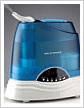 Humidify. When Mother Nature isn't
cooperating, it can make sense to use man-made solutions. Humidifiers come in
all shapes, sizes, effective ranges, and prices. From the poor man's solution
of boiling a large pot of water to highfalutin units that can make life in an
igloo mimic living in the Amazon jungle, the principle is the same: to add
moisture into a dry environment. Humidify. When Mother Nature isn't
cooperating, it can make sense to use man-made solutions. Humidifiers come in
all shapes, sizes, effective ranges, and prices. From the poor man's solution
of boiling a large pot of water to highfalutin units that can make life in an
igloo mimic living in the Amazon jungle, the principle is the same: to add
moisture into a dry environment.
 Skin-friendly couture. Cottons, silks, and
other skin-friendly fabrics that glide over your skin can help lessen the
irritation of winter. Unfortunately, many traditional fabrics that keep you
warm can also make you feel like you're wearing a Brillo pad when the northern
winds begin to blow. When you can, layer with something soft as a
base. Skin-friendly couture. Cottons, silks, and
other skin-friendly fabrics that glide over your skin can help lessen the
irritation of winter. Unfortunately, many traditional fabrics that keep you
warm can also make you feel like you're wearing a Brillo pad when the northern
winds begin to blow. When you can, layer with something soft as a
base.
|
|