L-Glutamine is the Most
Abundant Amino Acid in the Body by
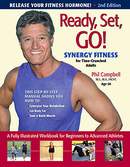
Phil Campbell - Ready, Set, Go! Synergy Fitness for Time Crunched
Adults
L-glutamine is found in
high-protein foods like fish, beans, meat and dairy products. Research shows
that L-Glutamine helps facilitate the release of growth hormone.
After reviewing the
research concerning L-Glutamine and how it impacted growth hormone release, the
first edition of Ready, Set, GO! Synergy Fitness suggested that taking 2
grams of glutamine before training may, in the future, become a wise fitness
improvement strategy.
Well, the research
continued, and in the second edition, "glutamine before training" became a
Ready Set Go Fitness strategy.
Note: sometimes
glutamine is confused with glucosamine that's used for
joints/cartilage.
Personally, I take 2
grams of glutamine before training. And I know many that do the same and get
great results.
Glutamine research highlights
Glutamine may have a
significant impact on the immune system. In clinical situations
and during high-intensity exercise, L-Glutamine has been shown to decrease the
incidence of infections, (The relation between glutamine and the
immunodepression observed in exercise, 2001, Castell).
Glutamine has a
positive impact on heart disease. "Glutamine may be cardioprotective in
patients with coronary heart disease," (Is glutamine beneficial in ischemic
heart disease? 2002, Khogali).
Two grams of L-Glutamine gets the job done
These studies follow
earlier research that shows only two grams of glutamine will significantly
increase HGH growth hormone. Many protein recovery drinks sold today contain up
to five grams of glutamine - so two grams may be considered a small dose.
Earlier research by Dr.
Welbourne at LSU Medical Center shows that 2 grams of glutamine is effective in
increasing HGH, "These findings demonstrate that a surprisingly small oral
glutamine load is capable of elevating alkaline reserves as well as plasma
growth hormone," (Increased plasma bicarbonate and growth hormone after an
oral glutamine load, 1995, Welbourne).
Researchers report, "All cells require glutamine as a nitrogen donor as well as an
energy source for cell-specific functions," (The
glutamine/glutamate couplet and cellular function, 2001,
Welbourne).
What does this mean to
you?
High-intensity training
significantly reduces the body's supply of glutamine, and this needs to be
replaced. The pre-workout strategy of filling up the glutamine fuel tank before
training may do much more than simply help to replenish a nutrient that is used
during exercise. Glutamine may help facilitate the release of exercise-induced
growth hormone.
What I hear most from
those who use glutamine as a pre-training strategy, "I feel stronger at the end
of a workout," (or at the end of a tennis match, a round of golf, or a long
run).
The take home
L-Glutamine is a powerful
supplement and has many wonderful benefits. But there can be drug interactions
with glutamine supplements and some forms of chemotherapy.
You can check possible
side effects of supplements on the
National Institutes of Health website. It's always a good
idea to let your physician know what supplements you are taking.
Have a great
day!
Phil Campbell, M.S.,
M.A., FACHE
Author Ready, Set, GO! Synergy Fitness
National Institutes
of Health research cited in newsletter,
Research
Summary
Research Summary
Research Summary
NOTE: The purpose of this article is to
expand thinking about fitness as an informational source for readers, and is
not medical advice. Before attempting the Synergy Fitness program, the Sprint 8
Workout, or any high-intensity exercise program, consult your physician. This
is not just a liability warning; it's wise to have a baseline medical exam
before beginning a fitness program. Make your physician a partner in your
fitness improvement plan.
For less than a
half hour session with a personal trainer, you'll get
368-pages of
power-packed information with 300 photo-illustrations
for Just $19.95
Personal Endorsement
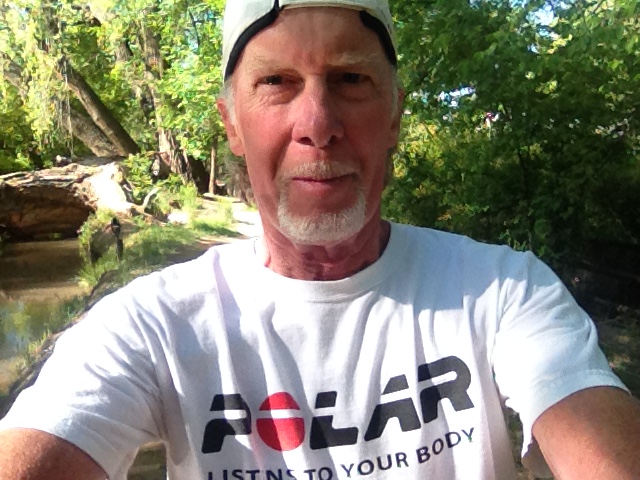
Phil Campbell contacted me personally and asked if I would be
interested in following his training plan. After being a competitive runner for
over 36 years, I thought that there was little more that I could learn. I was
totally wrong! Ready, Set, Go! Synergy Fitness for
Time Crunched Adults has revolutionized my training and I
can't thank Phil enough. I have lost body fat, gained energy and strength and I
am running better than I have in years. Phil's book shows you how to
incorporate his training methods into your bicycling, swimming, running or
other cardiovascular workout as well as maximize the benefit that you get from
your strength workout. You owe it to yourself to order this book and start
achieving all of the goals that you have always wanted to, but never been able
to. |
|
 Fuel Your Body
 Get Fitter
 Get Stronger
 Then Go For It