9 Ways to Eat Healthy Foods
(and Cheaply) By Joe Wilkes
 By now, most of us know what we should be
eating—fruits, vegetables, whole grains, lean meats, and fish, among other
foods. But anyone heading off to the supermarket with a shopping list of the
best recommendations for a healthy diet is in for a bit of sticker shock. Over
a two-year period, a recent University of Washington study tracked the costs of
"nutrient-dense" foods (foods high in vitamins and minerals and low in
calories) and "energy-dense" foods (foods high in calories and low in vitamins
and minerals—aka junk).* The nutrient-dense foods rose in cost by almost
20 percent while the cost of junk food declined. The study found that getting
your average day's worth of 2,000 calories from the junk side cost $3.52 while
getting your 2,000-calories worth from nutrient-dense cuisine would cost
$36.32. Since the average American spends about $7.00 a day on food, you can
see where the rise in obesity might come from. By now, most of us know what we should be
eating—fruits, vegetables, whole grains, lean meats, and fish, among other
foods. But anyone heading off to the supermarket with a shopping list of the
best recommendations for a healthy diet is in for a bit of sticker shock. Over
a two-year period, a recent University of Washington study tracked the costs of
"nutrient-dense" foods (foods high in vitamins and minerals and low in
calories) and "energy-dense" foods (foods high in calories and low in vitamins
and minerals—aka junk).* The nutrient-dense foods rose in cost by almost
20 percent while the cost of junk food declined. The study found that getting
your average day's worth of 2,000 calories from the junk side cost $3.52 while
getting your 2,000-calories worth from nutrient-dense cuisine would cost
$36.32. Since the average American spends about $7.00 a day on food, you can
see where the rise in obesity might come from.
Other studies have shown similar findings.
While the income percentage that Americans spend on food has decreased
dramatically over the last few years, the obesity rate has risen even more
dramatically, as has the incidence of type-2 diabetes, an obesity-related
disease. And the obesity rate has grown the most in the most impoverished
sectors of society, further emphasizing the connection between the rising costs
of nutrient-dense foods, declining junk food costs, and rising obesity rates.
If you've priced out what a nice piece of Chilean sea bass with a side of
asparagus costs compared to the latest offering from your local fast food
joint's dollar menu, it's easy to be tempted to go to the dark
side—especially if your budget is shrinking more than your waistline.
It is possible, however, to eat healthily
and still have some money left over. Even on the tightest budget, you can do a
little legwork and research to make the most nutritious choices for you and
your family. And even if you're fortunate enough to have the cash to eat
whatever you want, whenever you want, as my grandfather would say, "There's no
point putting your paycheck through your stomach." (And he lived to be almost
100 . . . but that was before the advent of dollar menus.) Here are nine tips
for getting the most nutritional bang for your buck.
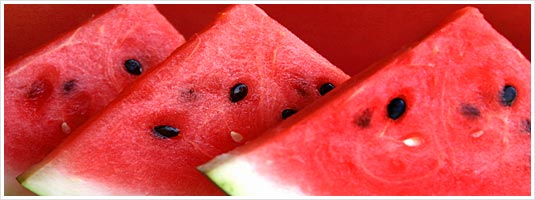
- 'Tis the
season. Eating seasonally is the best way to get the
most delicious fresh fruits and vegetables. When harvest time comes around for
your favorite fruit or veggie, the market is usually glutted, and following the
time-honored supply-and-demand curve, the prices of those fruits and veggies
plummet. And not only is it cheap to eat fruits and veggies that are in season,
it's the best time to get the most flavor for your money. Most fresh fruits and
veggies sold in the off-season are either shipped from faraway lands or
produced in greenhouse factories and don't have nearly the rich flavors
produced by Mother Nature. It's a good time to stock up, eat what you can, and
freeze or can the rest for a rainy day. If you're fortunate enough to live in a
community with a decent farmers' market, it pays to get to know the men and
women who are selling the produce. They can let you know when the best time to
buy the best stuff is and give you a preview of what's coming up harvest-wise,
so you can plan your menu accordingly.
 The big freeze. Speaking
of freezing and canning, these are great ways to save money and still have your
nutritional needs met. Not only are frozen and canned foods way cheaper than
fresh foods, in many cases, they're more nutritious. Fruits and vegetables are
usually preserved within hours of harvest, when they have their maximum
vitamins and minerals. Fresh fruits and vegetables can take days, or even
weeks, to make the journey from the field to your table. Add that to any time
spent lingering on supermarket shelves and then your fridge's crisper drawer,
and suddenly, fresh doesn't seem so fresh anymore. And for many recipes, frozen
or canned might even be better than fresh. A pint of fresh off-season
blueberries can cost more than $5.00 while a one-pound bag of frozen
blueberries can cost less than $3.00. And the frozen berries will be a lot
better in your morning smoothie. Any chef will tell you about the virtues of
canned tomatoes over fresh ones when making your favorite pasta sauce. The only
thing to be wary of is the sodium and sugar content in many canned goods or
frozen veggies that contain high-calorie sauces or other not-so-healthy
ingredients in not-so-healthy amounts. The big freeze. Speaking
of freezing and canning, these are great ways to save money and still have your
nutritional needs met. Not only are frozen and canned foods way cheaper than
fresh foods, in many cases, they're more nutritious. Fruits and vegetables are
usually preserved within hours of harvest, when they have their maximum
vitamins and minerals. Fresh fruits and vegetables can take days, or even
weeks, to make the journey from the field to your table. Add that to any time
spent lingering on supermarket shelves and then your fridge's crisper drawer,
and suddenly, fresh doesn't seem so fresh anymore. And for many recipes, frozen
or canned might even be better than fresh. A pint of fresh off-season
blueberries can cost more than $5.00 while a one-pound bag of frozen
blueberries can cost less than $3.00. And the frozen berries will be a lot
better in your morning smoothie. Any chef will tell you about the virtues of
canned tomatoes over fresh ones when making your favorite pasta sauce. The only
thing to be wary of is the sodium and sugar content in many canned goods or
frozen veggies that contain high-calorie sauces or other not-so-healthy
ingredients in not-so-healthy amounts.
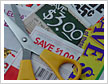 Shop
around. Smokey Robinson was right. It does pay to shop
around. Check out those supermarket circulars that are stuffed into your
mailbox every week. Each week, your supermarket advertises "loss leaders,"
including fruits, veggies, lean meats, and fish. Their hope is to lure you into
the store with these bargains that they don't make so much money on and tempt
you to buy extra high-profit stuff while you're there. But if you stick to your
list, you can fill your cart with the loss leaders and save a ton of money.
They'll usually be items that are in season as well, since they're cheaper for
the store to buy anyway. Also, signing up for their club or rewards cards can
help save you money, too. It's better to monitor sales and promotions rather
than clipping coupons, as coupons are generally for processed, less healthy
foods. Although, you can sometimes find good coupons for canned and frozen
produce. Shop
around. Smokey Robinson was right. It does pay to shop
around. Check out those supermarket circulars that are stuffed into your
mailbox every week. Each week, your supermarket advertises "loss leaders,"
including fruits, veggies, lean meats, and fish. Their hope is to lure you into
the store with these bargains that they don't make so much money on and tempt
you to buy extra high-profit stuff while you're there. But if you stick to your
list, you can fill your cart with the loss leaders and save a ton of money.
They'll usually be items that are in season as well, since they're cheaper for
the store to buy anyway. Also, signing up for their club or rewards cards can
help save you money, too. It's better to monitor sales and promotions rather
than clipping coupons, as coupons are generally for processed, less healthy
foods. Although, you can sometimes find good coupons for canned and frozen
produce.
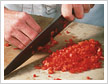 Get
to know your grocer. And your butcher, your produce
manager, etc. Find out what day produce is delivered to the store so you get
maximum freshness for your dollar. Find out from the butcher when meat goes
into the half-off section as its expiration date approaches. The meat isn't
spoiled yet, and if you cook or freeze it that day or the next, it's no
different from buying full-priced cuts and leaving them in your refrigerator
for a couple of days. Only your pocketbook knows the difference. Also, many
butchers will custom-grind for you without charge. If a package of
factory-ground turkey breast costs $6.00 a pound and a whole turkey breast
costs $2.00 a pound, why not buy the whole breast and ask your butcher to grind
it for you? You'll save a lot of money, and you'll actually know what went into
the turkey burger you're eating. Get
to know your grocer. And your butcher, your produce
manager, etc. Find out what day produce is delivered to the store so you get
maximum freshness for your dollar. Find out from the butcher when meat goes
into the half-off section as its expiration date approaches. The meat isn't
spoiled yet, and if you cook or freeze it that day or the next, it's no
different from buying full-priced cuts and leaving them in your refrigerator
for a couple of days. Only your pocketbook knows the difference. Also, many
butchers will custom-grind for you without charge. If a package of
factory-ground turkey breast costs $6.00 a pound and a whole turkey breast
costs $2.00 a pound, why not buy the whole breast and ask your butcher to grind
it for you? You'll save a lot of money, and you'll actually know what went into
the turkey burger you're eating.
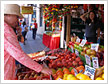 Think outside the big box. Instead of
always going to the big-box supermarket chains, investigate if there are
farmers' markets or food co-ops in your area. The food will be fresher,
cheaper, and hopefully, not as coated with pesticides, waxes, or other unsavory
elements. It's a good way to save money and support your local community at the
same time. You can get organic produce for the same price or cheaper than
traditionally grown produce this way as well. It's also worth checking out what
your state defines as organic. Organic food is great, but if you're trying to
save money, traditionally grown food isn't any less nutritious than organic; it
just may require a little more scrubbing. Think outside the big box. Instead of
always going to the big-box supermarket chains, investigate if there are
farmers' markets or food co-ops in your area. The food will be fresher,
cheaper, and hopefully, not as coated with pesticides, waxes, or other unsavory
elements. It's a good way to save money and support your local community at the
same time. You can get organic produce for the same price or cheaper than
traditionally grown produce this way as well. It's also worth checking out what
your state defines as organic. Organic food is great, but if you're trying to
save money, traditionally grown food isn't any less nutritious than organic; it
just may require a little more scrubbing.
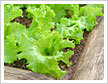 Start your own farm. If you
have a yard, start your own vegetable and/or herb garden. With a little online
research, you can find out what grows well and easily in your neck of the
woods. And if you're an apartment dweller like me, you can get a lot out of a
container garden. I have big pots on my balcony that keep me in tomatoes,
peppers, and fresh herbs all summer long. And if you don't have a balcony, you
can grow small pots of herbs in your kitchen—decorative, tasty, and
economical! Start your own farm. If you
have a yard, start your own vegetable and/or herb garden. With a little online
research, you can find out what grows well and easily in your neck of the
woods. And if you're an apartment dweller like me, you can get a lot out of a
container garden. I have big pots on my balcony that keep me in tomatoes,
peppers, and fresh herbs all summer long. And if you don't have a balcony, you
can grow small pots of herbs in your kitchen—decorative, tasty, and
economical!
 Plan
ahead. Take some time on Sunday to plan out your menu
for the week for all your meals and snacks. Find out what's in season and on
sale in your area. If you can only make one shopping trip for the week,
front-load your menu with fresh ingredients and stock up on canned and frozen
items for the latter half of the week. One of the areas where my budget always
falls apart is not having the ingredients that I'll need or a plan for dinner;
I end up grabbing takeout or having food delivered—both unhealthy and
expensive. Just by planning ahead and not wasting money on unplanned restaurant
meals, you'll find that you have a lot more money to spend at the grocery store
so you won't have to cut as many corners for the meals you
prepare. Plan
ahead. Take some time on Sunday to plan out your menu
for the week for all your meals and snacks. Find out what's in season and on
sale in your area. If you can only make one shopping trip for the week,
front-load your menu with fresh ingredients and stock up on canned and frozen
items for the latter half of the week. One of the areas where my budget always
falls apart is not having the ingredients that I'll need or a plan for dinner;
I end up grabbing takeout or having food delivered—both unhealthy and
expensive. Just by planning ahead and not wasting money on unplanned restaurant
meals, you'll find that you have a lot more money to spend at the grocery store
so you won't have to cut as many corners for the meals you
prepare.
 Tap into tap
water. Not your wallet. If you're going to spend money
on your beverages, invest in a decent water filter to improve the taste of your
tap water. As we've discussed in other articles, tap water is subject to a lot
more regulations than bottled water, which is good for you, and it's not
shipped in from Fiji or Norway, which is good for the environment. And it's
practically free! It's a lot better for your waistline and your wallet than
multiple trips to the soda machine. Tap into tap
water. Not your wallet. If you're going to spend money
on your beverages, invest in a decent water filter to improve the taste of your
tap water. As we've discussed in other articles, tap water is subject to a lot
more regulations than bottled water, which is good for you, and it's not
shipped in from Fiji or Norway, which is good for the environment. And it's
practically free! It's a lot better for your waistline and your wallet than
multiple trips to the soda machine.
 Take your vitamins. Here's the
easiest, most economical way to ensure that you always get a base level of
proper nutrition. Taking a good multivitamin and fish oil supplement will help
you get the benefits of a diet that would otherwise cost a whole lot more to
get you the same nutrients you'd get from food sources—and fish oil
supplements are especially good for those who don't care for
fish. Take your vitamins. Here's the
easiest, most economical way to ensure that you always get a base level of
proper nutrition. Taking a good multivitamin and fish oil supplement will help
you get the benefits of a diet that would otherwise cost a whole lot more to
get you the same nutrients you'd get from food sources—and fish oil
supplements are especially good for those who don't care for
fish.
|
* Don't confuse
"nutrient-dense" foods with "high-density" foods, which is a common term for
"energy-dense" foods. High density foods aren't always unhealthy but your diet
should consist of mainly "low-density" foods which have few calories per
volume, generally due to the presence of fiber. Foods in their natural state
tend to be low volume. Processed foods tend to be high volume. |
 Fuel Your Body
 Get Fitter
 Get Stronger
 Then Go For It