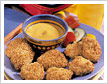
 Chicken nuggets/tenders. These
popular kids-menu items are little nuggets of compressed fat, sodium,
high-fructose corn syrup (HFCS), and in some form, chicken. Depending on the
restaurant, chicken might not even be the first ingredient. Oftentimes, the
nuggets or tenders are made of ground pieces of chicken meat and skin, pressed
into a shape, flavored with HFCS and salt, and batter-fried in hydrogenated oil
(the bad, trans-fatty stuff). Then, as if that isn't unhealthy enough, you dunk
it in a HFCS- or mayonnaise-based sauce. With all the fat, salt, and sugar,
it's easy to understand why they're tasty, but the nutritive value weighed
against the huge amount of calories and fat consumed is incredibly lacking.
Even healthier-sounding menu items like McDonald's Premium Breast Strips (5
pieces) pack 630 calories and 33 grams of fat, more than a Big Mac, and that's
before you factor in the dipping sauce. Chicken nuggets/tenders. These
popular kids-menu items are little nuggets of compressed fat, sodium,
high-fructose corn syrup (HFCS), and in some form, chicken. Depending on the
restaurant, chicken might not even be the first ingredient. Oftentimes, the
nuggets or tenders are made of ground pieces of chicken meat and skin, pressed
into a shape, flavored with HFCS and salt, and batter-fried in hydrogenated oil
(the bad, trans-fatty stuff). Then, as if that isn't unhealthy enough, you dunk
it in a HFCS- or mayonnaise-based sauce. With all the fat, salt, and sugar,
it's easy to understand why they're tasty, but the nutritive value weighed
against the huge amount of calories and fat consumed is incredibly lacking.
Even healthier-sounding menu items like McDonald's Premium Breast Strips (5
pieces) pack 630 calories and 33 grams of fat, more than a Big Mac, and that's
before you factor in the dipping sauce.
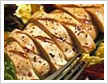 Instead: If you're cooking at home, grill a
chicken breast and cut it into dipping-sized pieces either with a knife or, for
extra fun, cookie cutters. Make a healthy dipping sauce, with HFCS-free
ketchup, marinara sauce, mustard, or yogurt. Let your kids help make the shapes
or mix up the sauce. Try cooking without breading, but if you must, dip the
chicken breast in a beaten egg, and then roll it in cornflake crumbs before you
bake it. It'll be crunchy and delicious, but not as fatty. Instead: If you're cooking at home, grill a
chicken breast and cut it into dipping-sized pieces either with a knife or, for
extra fun, cookie cutters. Make a healthy dipping sauce, with HFCS-free
ketchup, marinara sauce, mustard, or yogurt. Let your kids help make the shapes
or mix up the sauce. Try cooking without breading, but if you must, dip the
chicken breast in a beaten egg, and then roll it in cornflake crumbs before you
bake it. It'll be crunchy and delicious, but not as fatty.
- Sugary cereal. I
can remember as a child feeling horribly deprived when I would go to friends'
houses for overnight visits and be treated in the morning to cereals with
marshmallows that turned the milk fluorescent pink or blue.
 But now
I can appreciate my mom and her unpopular brans and granolas. True, they didn't
have any toy surprises in the box or any cartoon characters on the box, but
they also didn't have the cups of sugar, grams of fat, and hundreds of empty
calories that these Saturday morning staples are loaded
with. But now
I can appreciate my mom and her unpopular brans and granolas. True, they didn't
have any toy surprises in the box or any cartoon characters on the box, but
they also didn't have the cups of sugar, grams of fat, and hundreds of empty
calories that these Saturday morning staples are loaded
with.
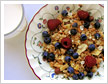
Instead: Read the labels and try finding cereal
that is low in sugar and high in fiber and whole grains. Remember, "wheat" is
not the same as "whole wheat." Also, avoid cereals (including some granolas)
that have hydrogenated oils, artificial colors, or chemical preservatives. Add
raisins, sliced bananas, berries, or other seasonal fruit to the cereal for
extra flavor and nutrition. Again, letting your child help design a healthy
bowl of cereal from choices you provide will get you a little more buy-in at
the breakfast table.
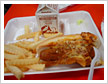 Lunch
meat and hot dogs. Kids love hot dogs, bologna, and
other processed meats, but they are full of potentially carcinogenic nitrates
and nitrites, sodium, saturated fat, and artificial colors and fillers. A study
in Los Angeles found that kids who ate 12 hot dogs a month had nine times the
risk of developing leukemia.1 And more health risks are being
discovered all the time. Leaf through any research about kids' nutrition, and
you're bound to read about the bane of the cafeteriaOscar Mayer's Lunchables.
These and similar prepackaged lunches are loaded with processed meats and
crackers made with hydrogenated oils. These innocent-looking meals can boast
fat counts of up to 38 grams. That's as much fat as a Burger King Whopper and
over half the recommended daily allowance of fat for an adult. Lunch
meat and hot dogs. Kids love hot dogs, bologna, and
other processed meats, but they are full of potentially carcinogenic nitrates
and nitrites, sodium, saturated fat, and artificial colors and fillers. A study
in Los Angeles found that kids who ate 12 hot dogs a month had nine times the
risk of developing leukemia.1 And more health risks are being
discovered all the time. Leaf through any research about kids' nutrition, and
you're bound to read about the bane of the cafeteriaOscar Mayer's Lunchables.
These and similar prepackaged lunches are loaded with processed meats and
crackers made with hydrogenated oils. These innocent-looking meals can boast
fat counts of up to 38 grams. That's as much fat as a Burger King Whopper and
over half the recommended daily allowance of fat for an adult.
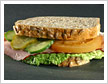 Instead: Get unprocessed meats, like lean turkey
breast, chicken, tuna, or roast beef. Use whole wheat bread for sandwiches; or
if your kid's dying for Lunchables, fill a small plastic container with
whole-grain, low-fat crackers; lean, unprocessed meat; and low-fat cheese. This
can be another great time to get out the cookie cutters to make healthy
sandwiches more fun. For hot dogs, read labels carefully. Turkey dogs are
usually a good bet, but some are pumped up with a fair amount of chemicals and
extra fat to disguise their fowl origins. Look for low levels of fat, low
sodium, and a list of ingredients that you recognize. There are some tasty
veggie dogs on the market, although a good deal of trial and error may be
involved for the choosy child. Instead: Get unprocessed meats, like lean turkey
breast, chicken, tuna, or roast beef. Use whole wheat bread for sandwiches; or
if your kid's dying for Lunchables, fill a small plastic container with
whole-grain, low-fat crackers; lean, unprocessed meat; and low-fat cheese. This
can be another great time to get out the cookie cutters to make healthy
sandwiches more fun. For hot dogs, read labels carefully. Turkey dogs are
usually a good bet, but some are pumped up with a fair amount of chemicals and
extra fat to disguise their fowl origins. Look for low levels of fat, low
sodium, and a list of ingredients that you recognize. There are some tasty
veggie dogs on the market, although a good deal of trial and error may be
involved for the choosy child.
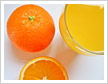 Juice
and juice-flavored drinks. Juice, what could be wrong
with juice? While 100% juice is a good source of vitamin C, it doesn't have the
fiber of whole fruit, and provides calories mostly from sugar and
carbohydrates. Too much juice can lead to obesity and tooth decay, among other
problems. The American Academy of Pediatrics suggests 4 to 6 ounces of juice
per day for kids under 6, and 8 to 12 ounces for older kids. Juice drinks that
aren't 100% juice are usually laced with artificial colors and that old
standby, HFCS, and should be avoided. Your best bet is to make your own juice
from fresh, seasonal fruit. You won't have to worry about all the additives,
and it's another way you can involve your kids in the cooking process. Let them
design their own juice "cocktail." And if you were even considering soda,
perhaps a refresher course from Steve Edwards' Nutrition 911 series is in order
(see "Nutrition 911, Part VI: The Worst Food on the Planet" in "Related
Articles" below). Juice
and juice-flavored drinks. Juice, what could be wrong
with juice? While 100% juice is a good source of vitamin C, it doesn't have the
fiber of whole fruit, and provides calories mostly from sugar and
carbohydrates. Too much juice can lead to obesity and tooth decay, among other
problems. The American Academy of Pediatrics suggests 4 to 6 ounces of juice
per day for kids under 6, and 8 to 12 ounces for older kids. Juice drinks that
aren't 100% juice are usually laced with artificial colors and that old
standby, HFCS, and should be avoided. Your best bet is to make your own juice
from fresh, seasonal fruit. You won't have to worry about all the additives,
and it's another way you can involve your kids in the cooking process. Let them
design their own juice "cocktail." And if you were even considering soda,
perhaps a refresher course from Steve Edwards' Nutrition 911 series is in order
(see "Nutrition 911, Part VI: The Worst Food on the Planet" in "Related
Articles" below).
 Instead: Water is still the best
thirst quencher. Explain the importance of good hydration to your kids, and set
a good example yourself by carrying around a water bottle. Get them used to
carrying a small bottle of water in their backpack or attached to their bike.
If they're very water averse, try water with a splash of fruit juice in it. But
just a splash. The idea is to get kids used to not having things be overly
sweet, overly salty, or overly fatty. The other great beverage is milk. Filled
with nutrients, calcium, and protein, growing kids need plenty of milk, though
not so much fat. Choosing low-fat or skim milk will help ensure that they get
their milk without becoming a cow. Instead: Water is still the best
thirst quencher. Explain the importance of good hydration to your kids, and set
a good example yourself by carrying around a water bottle. Get them used to
carrying a small bottle of water in their backpack or attached to their bike.
If they're very water averse, try water with a splash of fruit juice in it. But
just a splash. The idea is to get kids used to not having things be overly
sweet, overly salty, or overly fatty. The other great beverage is milk. Filled
with nutrients, calcium, and protein, growing kids need plenty of milk, though
not so much fat. Choosing low-fat or skim milk will help ensure that they get
their milk without becoming a cow.
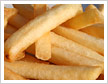 French fries.
High in calories, high in fat, and high in sodium—and
unsurprisingly, the most popular "vegetable" among kids. They offer virtually
none of the nutrients found in broccoli, carrots, spinach, or other veggies not
found in a deep fryer. And the fat they're fried in is usually trans fat, the
unhealthiest kind for the heart. To top it all off, studies are beginning to
show cancer-causing properties from acrylamide, a toxic substance that is
created when starchy foods like potatoes are heated to extreme temperatures. In
some tests, the amount of acrylamide in French fries was 300 to 600 times
higher than the amount that the Environmental Protection Agency (EPA) allows in
a glass of water.2 French fries.
High in calories, high in fat, and high in sodium—and
unsurprisingly, the most popular "vegetable" among kids. They offer virtually
none of the nutrients found in broccoli, carrots, spinach, or other veggies not
found in a deep fryer. And the fat they're fried in is usually trans fat, the
unhealthiest kind for the heart. To top it all off, studies are beginning to
show cancer-causing properties from acrylamide, a toxic substance that is
created when starchy foods like potatoes are heated to extreme temperatures. In
some tests, the amount of acrylamide in French fries was 300 to 600 times
higher than the amount that the Environmental Protection Agency (EPA) allows in
a glass of water.2
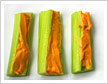 Instead: Vegetables like baby carrots, celery
sticks, or other crudités are great options, but if potatoes must be
had, there are some options that don't begin with melting a brick of fat. A
scooped-out potato skin with low-fat chili and a little cheese can provide lots
of fiber and vitamins, with even higher amounts if the chili has beans. You can
also try making baked fries, using slices of potato with a light brushing of
olive oil. Or, the classic baked potato could be a hit, with yogurt dip or
cottage cheese instead of sour cream and butter. Instead: Vegetables like baby carrots, celery
sticks, or other crudités are great options, but if potatoes must be
had, there are some options that don't begin with melting a brick of fat. A
scooped-out potato skin with low-fat chili and a little cheese can provide lots
of fiber and vitamins, with even higher amounts if the chili has beans. You can
also try making baked fries, using slices of potato with a light brushing of
olive oil. Or, the classic baked potato could be a hit, with yogurt dip or
cottage cheese instead of sour cream and butter.
- Chips (potato chips, Cheetos, Doritos,
etc.). These are full of fat, oftentimes saturated,
and way more sodium than any child or adult should eat. Some chips also have
the acrylamide problem discussed under French fries. Also, watch out for
innocent-seeming baked and low-fat chips that contain olestra or other fake
fats and chemicals that could present health issues for kids.
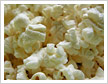 Instead: Kids gotta snack. And in fact, since
their stomachs are smaller, they aren't usually able to go as long between
meals as adults. Cut-up vegetables are the best thing if you want to get your
crunch on, but air-popped popcorn and some baked chips are okay, too. You can
control how much salt goes on the popcorn, or experiment with your child using
other potential popcorn toppings like red pepper, Parmesan cheese, or dried
herbs. Try making your own trail mix with your child. They might be more
excited to eat their own personal blend, and you can avoid certain store-bought
trail mixes, which sometimes contain ingredients like chocolate chips and
marshmallows that don't lead kids down the healthy snack
trail. Instead: Kids gotta snack. And in fact, since
their stomachs are smaller, they aren't usually able to go as long between
meals as adults. Cut-up vegetables are the best thing if you want to get your
crunch on, but air-popped popcorn and some baked chips are okay, too. You can
control how much salt goes on the popcorn, or experiment with your child using
other potential popcorn toppings like red pepper, Parmesan cheese, or dried
herbs. Try making your own trail mix with your child. They might be more
excited to eat their own personal blend, and you can avoid certain store-bought
trail mixes, which sometimes contain ingredients like chocolate chips and
marshmallows that don't lead kids down the healthy snack
trail.
- Fruit leather. Many of these gelatinous snacks like roll-ups or fruit bites
contain a trace amount of fruit but lots of sugar or HFCS and bright artificial
colors. Don't be misled by all the products that include the word "fruit" on
their box. Real fruit is in the produce section, not the candy
aisle.
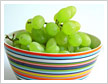 Instead: If your child doesn't show interest in
fruit in its natural state, there are some ways you can adulterate it without
sacrificing its nutritional value. Fill ice-cube or popsicle trays with fruit
juice or freeze grapes for a healthy frozen treat. Or buy unflavored gelatin
and mix it with fruit juice and/or pieces of fruit to make gelatin treats
without the added sugar and color (another good time for the cookie cutters!).
Serve some raisins, dried apricots, apples, peaches, or other fruits that might
give you that chewy, leathery texture without the sugar. Instead: If your child doesn't show interest in
fruit in its natural state, there are some ways you can adulterate it without
sacrificing its nutritional value. Fill ice-cube or popsicle trays with fruit
juice or freeze grapes for a healthy frozen treat. Or buy unflavored gelatin
and mix it with fruit juice and/or pieces of fruit to make gelatin treats
without the added sugar and color (another good time for the cookie cutters!).
Serve some raisins, dried apricots, apples, peaches, or other fruits that might
give you that chewy, leathery texture without the sugar.
- Doughnuts. These
little deep-fried gobs of joy are favorites for kids and adults alike, but they
are full of fat and trans-fatty acids, and of course, sugar. Toaster pastries,
muffins, and cinnamon buns aren't much better. The worst thing about doughnuts
and these other pastries, aside from their nutritional content or lack thereof,
is that they're often presented to children as acceptable breakfast choices.
These delicious deadlies need to be categorized properly—as desserts, to
be eaten very sparingly. And you can't have dessert for breakfast.
 Instead: Honestly, a slice of whole wheat toast
topped with sugar-free fruit spread or peanut butter isn't going to get as many
fans as a chocolate-filled Krispy Kreme, but at some point, you have to stand
firm. You be the cop that doesn't like doughnuts. Doughnutsnot for breakfast.
Period. Instead: Honestly, a slice of whole wheat toast
topped with sugar-free fruit spread or peanut butter isn't going to get as many
fans as a chocolate-filled Krispy Kreme, but at some point, you have to stand
firm. You be the cop that doesn't like doughnuts. Doughnutsnot for breakfast.
Period.
- Pizza. In
moderation, pizza can be a fairly decent choice. If you order the right
toppings, you can get in most of your food groups. The problem comes with the
processed meats like pepperoni and sausage, which add fat and nitrates/nitrites
(see lunch meat and hot dogs above); and the overabundance of cheese will also
provide more calories and fat than a child needs.
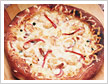
Instead: Make your own pizza with your kids. Use a premade
whole wheat crust (or whole wheat tortilla), an English muffin, or bread as a
base. Then brush on HFCS-free sauce, and set up a workstation with healthy
ingredients, like diced chicken breast, sliced turkey dogs, and vegetables that
your child can build his or her own pizza with. Then sprinkle on a little
cheese, bake, and serve. If your child gets used to eating pizza like this,
delivery pizzas may seem unbearably greasy after a while.
|



 If you've followed the news on childhood obesity
lately, you know that the state of affairs is pretty grim. Childhood obesity
rates have tripled over the past two decades, and most signs show that today's
children will be the first to have shorter life expectancies than their
parents. Much of the blame for this has deservedly been laid at the feet of the
producers and marketers of unhealthy food aimed at our youngest consumers.
These producers and marketers have created an uphill battle for parents trying
to compete with superheroes and cartoon animals for their children's palates
and stomachs.
If you've followed the news on childhood obesity
lately, you know that the state of affairs is pretty grim. Childhood obesity
rates have tripled over the past two decades, and most signs show that today's
children will be the first to have shorter life expectancies than their
parents. Much of the blame for this has deservedly been laid at the feet of the
producers and marketers of unhealthy food aimed at our youngest consumers.
These producers and marketers have created an uphill battle for parents trying
to compete with superheroes and cartoon animals for their children's palates
and stomachs. Since most kids have hummingbird metabolisms that adults can only
envy, it's easy to often give kids a free pass and let them eat whatever they
want. But eventually, those metabolisms slow down, and the pounds settle in.
Also, because physical activity appears to be decreasing nowadays, and
processed-food intake is increasing, kids aren't burning calories the way their
parents might have when they were kids. And even if the kids aren't getting fat
now, they are establishing eating habits that they will take into
adulthood. As parents, you can help foster a love for healthy eating and
exercise that will last your kids a lifetime—which will hopefully be a
long one!
Since most kids have hummingbird metabolisms that adults can only
envy, it's easy to often give kids a free pass and let them eat whatever they
want. But eventually, those metabolisms slow down, and the pounds settle in.
Also, because physical activity appears to be decreasing nowadays, and
processed-food intake is increasing, kids aren't burning calories the way their
parents might have when they were kids. And even if the kids aren't getting fat
now, they are establishing eating habits that they will take into
adulthood. As parents, you can help foster a love for healthy eating and
exercise that will last your kids a lifetime—which will hopefully be a
long one! Someday,
your children will realize that caped men in tights and sponges who live under
the sea might not have their best interests at heart when it comes to food, but
until then, here are some of the worst foods you can try to keep them away
from, and some healthy replacement ideas. And for the overgrown children among
you, the alternative snacks might even tempt you.
Someday,
your children will realize that caped men in tights and sponges who live under
the sea might not have their best interests at heart when it comes to food, but
until then, here are some of the worst foods you can try to keep them away
from, and some healthy replacement ideas. And for the overgrown children among
you, the alternative snacks might even tempt you.